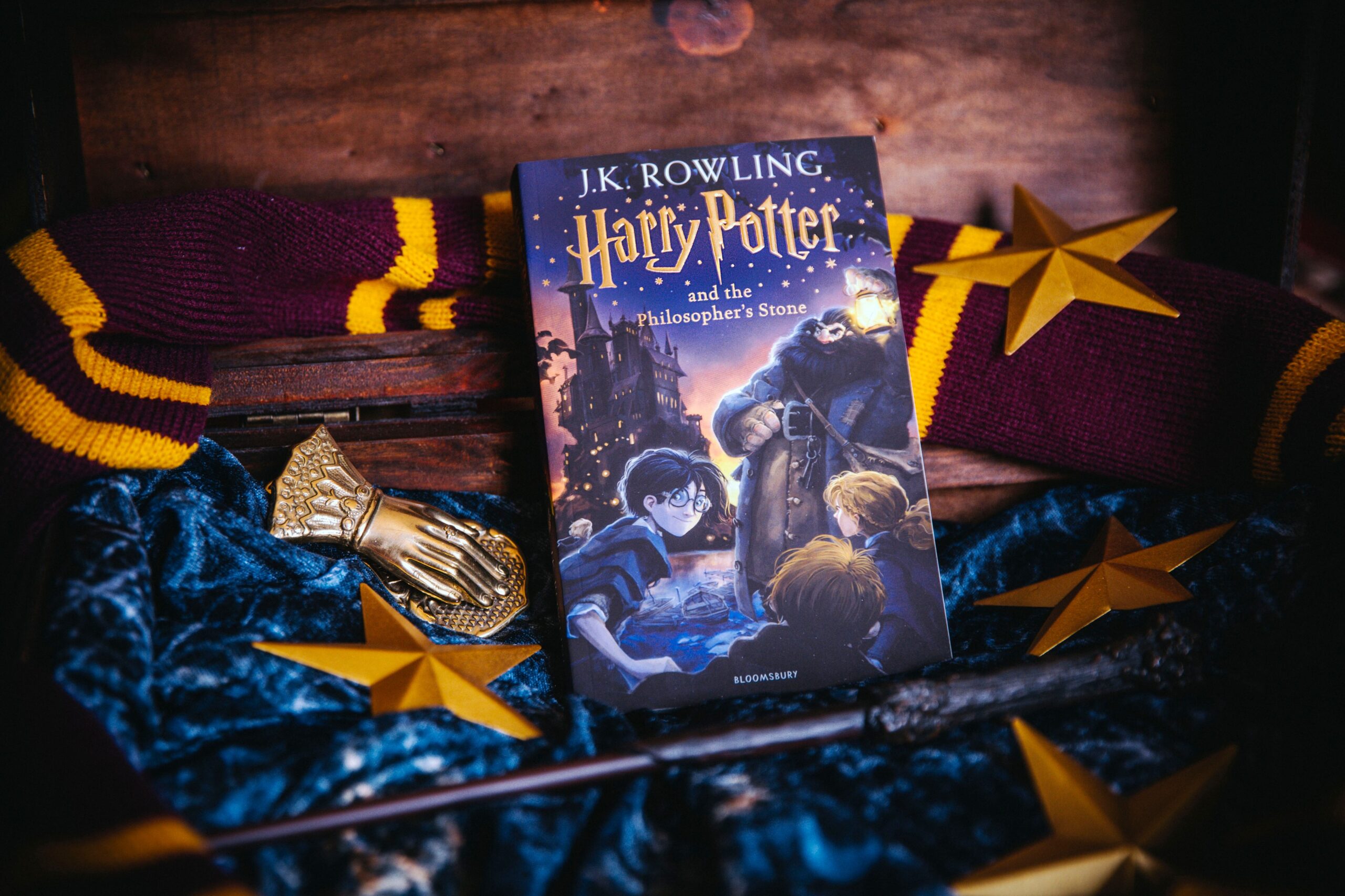

Every inspiring writer story begins with a spark of imagination, and for Joanne Rowling, that spark appeared on a delayed train from Manchester to London in 1990. Somewhere along that quiet countryside journey, an image formed in her mind: a scrawny boy with messy black hair and round glasses, unaware that he was a wizard. That single moment of inspiration would go on to create Harry Potter, the most successful book series in history and the foundation of the Wizarding World.
But the road from that train ride to publication wasn’t paved with magic. Rowling spent years building the world of Hogwarts, writing in cafés around Edinburgh while caring for her newborn daughter as a single mother. Despite her passion, the first Harry Potter manuscript faced rejection after rejection. Literary agents and publishers dismissed it, unable to see the potential in a story about a young wizard discovering friendship, courage, and belonging.
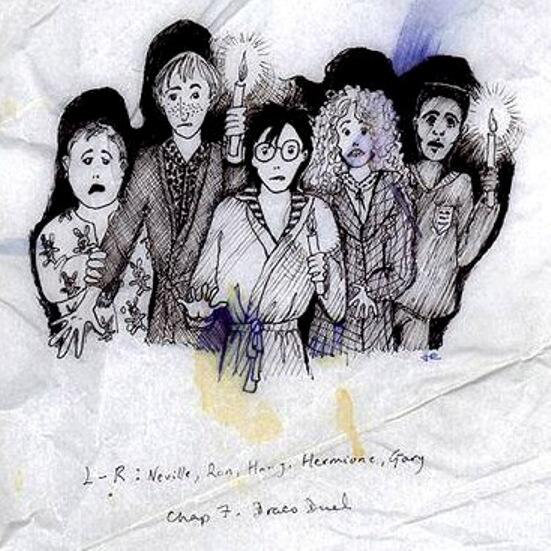
Everything changed when the manuscript landed in the hands of literary agent Christopher Little, who recognised something special and spent a year trying to get it published. Barry Cunningham, an editor at Bloomsbury, read the first chapters and was instantly hooked. His young daughter couldn’t put it down. Barry had to tear the pages away from her as she read non-stop, desperate to find out what happens next in Harry’s journey. That reaction sealed the deal. In June 1997, Harry Potter and the Philosopher’s Stone was finally published in the UK, under the pen name J.K. Rowling.
The K in J.K. stands for Kathleen, which was Joanne’s grandmother’s name. The publishers requested the initials in the name because they thought it would make the books more appealing to boys. At the time, it was the common belief that boys weren’t interested in books written by women. The initials in the name made the author brand name ambiguous.
Rowling was told she might never earn much from writing children’s books, but the Harry Potter and the Philosopher’s Stone quickly proved everyone wrong. Rowling received around $4,200 in royalties before the second book had even been released. That number is a major success for a first time author.
A year after Harry Potter and the Philosopher’s Stone was released in the United Kingdom, Scholastic brought Harry Potter and the Sorcerer’s Stone to the United States, igniting a global phenomenon. Rowling would make the prestigious New York Times bestseller list in December 1998. And after that, Harry Potter would begin charming the hearts and minds of readers all around the world.
Soon, readers everywhere were queuing at midnight for the next instalment of the Harry Potter books, and the world of wands, owls, and spells became part of popular culture.
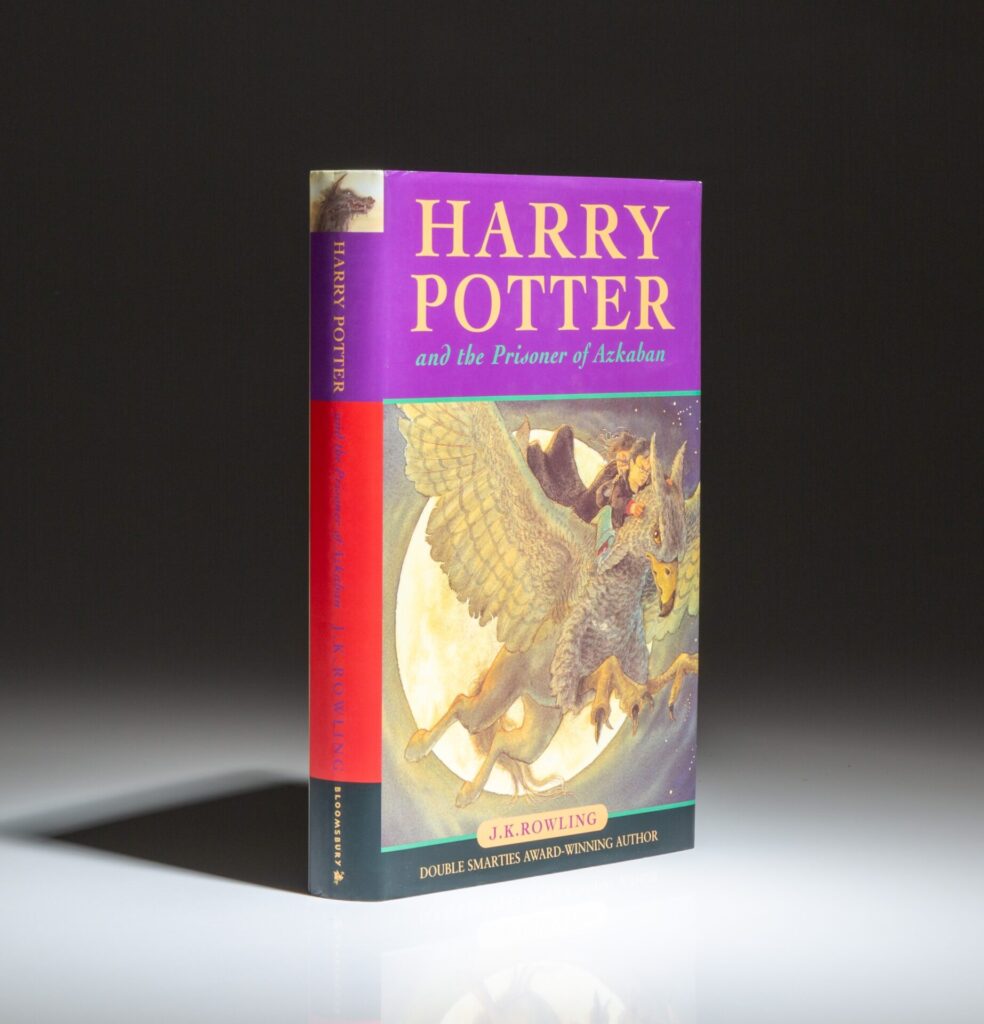
With the success of the first two novels, publishers quickly commissioned the series to continue. Harry Potter and the Prisoner of Azkaban and Harry Potter and the Goblet of Fire would come in quick succession.
Warner Bros. then purchased the film rights for the first two Harry Potter novels in 1999 for $1m. Rowling accepted the offer under the provision that the studio would only produce Harry Potter films based on the books she authored. She retained the right to approve the final scripts for the movies.
Rarely does an author have so much say in a movie deal. But, Harry Potter, the boy who popped into her head all those years ago, had become a success, giving her all the leverage in the world.

What makes this story so remarkable isn’t just the success, it’s how it began. The Wizarding World was born not in a boardroom or brainstorm, but in a quiet moment of daydreaming. Rowling’s story reminds us that creativity often strikes when we least expect it. Sometimes, all it takes is stillness. Maybe when we learn to stop doomscrolling, the magic will find us all.